
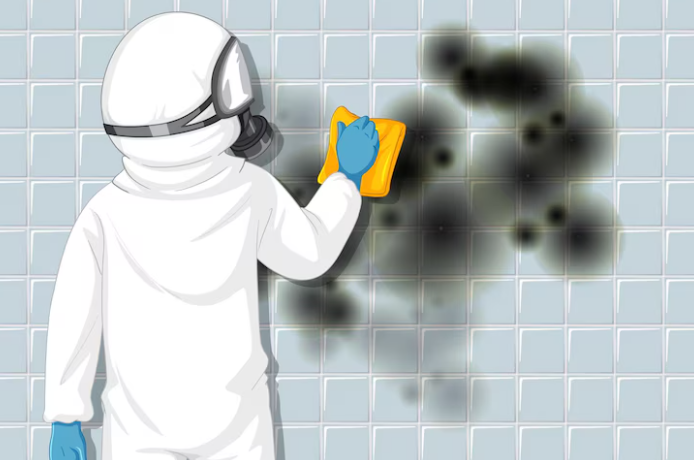
If you’ve ever spotted a dark patch on your bathroom ceiling or caught a whiff of something musty in your basement, you’ve probably wondered is that mold? You’re not alone. Mold is one of the most common concerns homeowners face, and the tricky part is that it doesn’t always make itself obvious. The good news? You don’t have to guess. But first, let’s talk about what mold actually is and where it likes to hide.
What Is Mold, Anyway?
Mold is a type of fungus and before you panic, it’s worth knowing that mold is a totally natural part of our environment. It exists both indoors and outdoors, and in small amounts, it’s generally harmless. The problem starts when mold finds a cozy spot inside your home to grow and multiply.
Mold reproduces by releasing tiny spores into the air. These spores are invisible to the naked eye and can travel easily through your home, eventually settling into dust on surfaces, furniture, and flooring. When spore levels build up indoors, especially certain types of mold it can start to affect your home environment and potentially your health.
Some common signs that mold may be an issue include:
- A persistent musty or earthy smell
- Visible dark spots or discoloration on walls, ceilings, or grout
- Allergy-like symptoms that seem worse indoors (sneezing, runny nose, itchy eyes)
- A history of water damage, leaks, or high humidity in your home
Where Does Mold Like to Hide?
Mold loves moisture, warmth, and organic material to feed on which unfortunately describes a lot of areas in a typical home. Some of the most common spots where mold tends to show up are places where moisture can hide likely cool and dark, places like bathrooms, kitchens, basements and crawl spaces, laundry rooms, HVACs and ductwork, and near windows.
The Sneaky Truth About Mold
Here’s something that surprises a lot of homeowners: mold isn’t always visible. You can have elevated mold spore levels in your home without ever seeing a single spot on the wall. That’s because mold spores travel through the air and settle into the dust throughout your home on your floors, shelves, furniture, and more. Over time, those spores accumulate, and that buildup can tell a very important story about what’s going on in your indoor environment. This is exactly why surface dust testing is such a valuable tool.
Taking Action: The Home Air Check Surface Dust Test
If you suspect mold in your home or you just want peace of mind the Home Air Check Surface Dust Kit is one of the easiest and most informative ways to find out what’s actually in your home’s dust.
Here’s how it works: you collect a simple dust sample from the area or areas of your home you want to test, send it off to the lab, and receive a detailed report breaking down exactly what was found. No invasive inspections, no guesswork just real data about your home. You can test multiple areas of your home, which is a huge advantage. Whether you’re concerned about your basement, your bedroom, your living room, or all of the above, you can get targeted results for each space.
Understanding Your Report
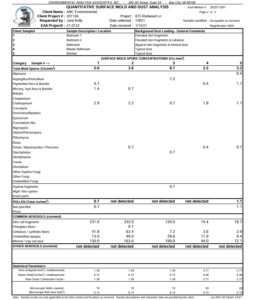
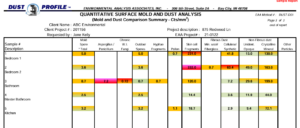
This is where things get really useful. Your Home Air Check report isn’t just a pass/fail result, it’s a detailed breakdown of what’s in your home’s dust. (See the sample report images below for reference)
Mold Spore Types and Concentrations
Your report will identify the different categories of mold spores found in your sample and provide numeric concentration ranges for each one. This is important because not all mold spores are the same — different types carry different implications, and knowing which ones are present (and at what levels) gives you a much clearer picture than a simple yes/no answer ever could.
Area-by-Area Results
Because you can test multiple spaces in your home, your report will break down the findings for each area you tested. This makes it easy to see whether one room is a bigger concern than others, and helps you prioritize if action is needed.
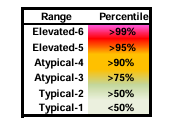
Another helpful feature of the Home Air Check report is a color-coded chart. Each mold spore category is assigned a numeric concentration range, and that range corresponds to a specific color on the chart. At a glance, the color tells you whether the levels in that area are:
- 🟢 Typical — Levels are within a normal, expected range
- 🟡 Atypical — Levels are higher than typical and worth monitoring or investigating further
- 🔴 Elevated — Levels are significantly high and may warrant professional attention
This visual makes it incredibly easy to interpret your results without needing a science degree. You can quickly see which areas of your home are in good shape and which ones may need a closer look.
How Home Air Check Can Help When You Suspect Mold
Maybe you’ve noticed a smell you can’t quite place. Maybe someone in your family has been dealing with unexplained allergy symptoms. Maybe you had a leak a few months ago and you’re not sure if it was fully resolved. Whatever your reason for suspecting mold, the Home Air Check surface dust test can help you move from uncertainty to answers.
Here’s why that matters:
- It confirms what you can’t see. Even if there’s no visible mold, elevated spore levels in your dust can signal a hidden problem.
- It gives you documented, lab-backed results. Rather than relying on a visual inspection alone, you’ll have real data to work with and to share with a professional if needed.
- It helps you prioritize. If you test multiple areas, you’ll know exactly where to focus your attention first.
- It’s useful after remediation, too. If you’ve already had mold treated in your home, a follow-up test is a great way to confirm that levels have actually come down.
Knowledge Is Your Best Tool
When it comes to mold, the worst thing you can do is nothing, especially when testing is this straightforward. Whether you’re a new homeowner doing your due diligence, someone who’s noticed a potential problem, or just someone who wants to know what’s really in their home’s air and dust, the Home Air Check Surface Dust Kit gives you the clarity to take action with confidence.
Ready to find out what’s in your home’s dust? CLICK HERE!