
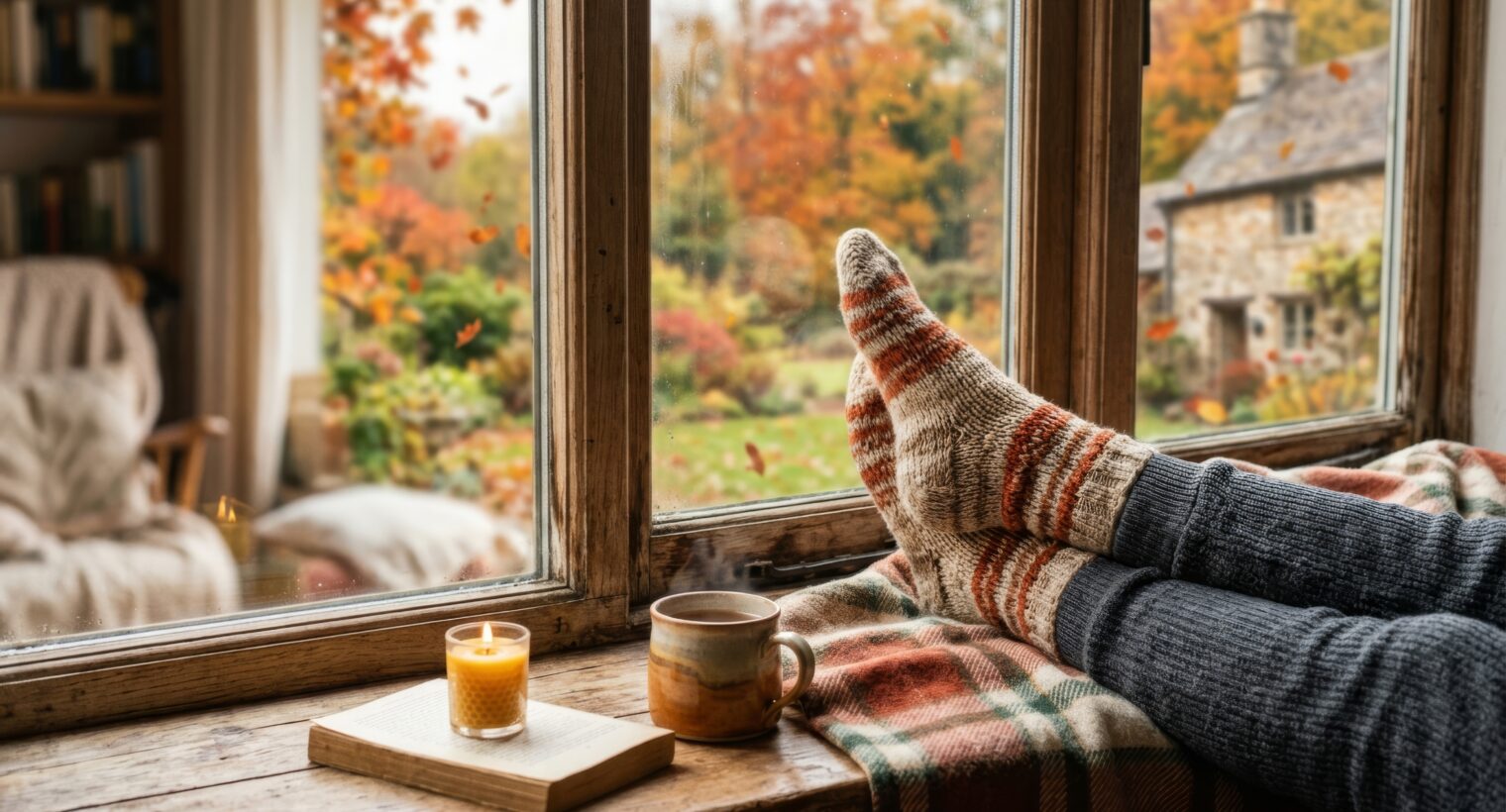
There is something refreshing about opening the windows on a cool fall morning. After months of warm weather and air conditioning, letting that crisp autumn air into your home can feel like a reset. But as temperatures continue to drop, those open windows eventually become closed doors, and we begin spending more time inside. That seasonal transition can have a bigger impact on your indoor air quality than you might realize. During the summer, we often rely on open windows, outdoor airflow, and air conditioning to keep our homes comfortable. In fall, our homes become more closed off from the outdoors, heating systems begin running again, and families start spending more time indoors. All of these changes can affect the air you’re breathing. So, what exactly happens to your indoor air when fall arrives?
Your Home Becomes More Sealed Off
As temperatures drop, most of us naturally close the windows and doors to keep warm air inside. While this helps make our homes more comfortable and energy efficient, it can also reduce the amount of fresh outdoor air entering the home. Without enough ventilation, indoor pollutants can accumulate. Everyday activities like cooking, cleaning, showering, burning candles, and even simply breathing contribute to changes in the air inside your home. This doesn’t mean you should leave your windows open all winter. Rather, it highlights the importance of having adequate ventilation and being aware of how quickly indoor air can become stagnant when a home is closed up.
Your Furnace Is Coming Back to Work
For many homes, fall is the time when the furnace gets turned on for the first time in months. That first blast of warm air can sometimes come with a familiar dusty or slightly burnt smell. Some of this may simply be dust that has settled on or around heating components while the system was inactive. However, it’s also a good reminder that your HVAC system plays an important role in your home’s indoor environment. Your HVAC system circulates air throughout your home, so maintaining it can help support better indoor air quality. Before heating season gets into full swing, consider checking your air filter and scheduling routine HVAC maintenance if it’s due. It’s also worth paying attention to unusual or persistent odors, changes in airflow, or other signs that your system may not be operating as it should.
Fall Means More Time Indoors
As the days get shorter and temperatures cool down, we naturally spend more time inside. Windows stay closed, outdoor activities decrease, and homes become gathering places for family and friends. The more time we spend indoors, the more important indoor air quality becomes. Activities that may not seem significant on their own can contribute to indoor pollutants over time. Cooking releases particles and other byproducts into the air. Cleaning products can release VOCs. Fragrances, candles, and air fresheners can introduce additional chemicals. Even furniture, flooring, and other household materials can release VOCs into the air. When windows are closed and ventilation is limited, those pollutants may remain indoors longer.
Humidity Changes, Too
Fall can also bring changes in indoor humidity. Outdoor temperatures, heating systems, weather patterns, and ventilation can all influence the amount of moisture in your home. Too much moisture can create an environment where mold and other biological growth may become a concern, while excessively dry indoor air can cause its own set of comfort issues. Keeping an eye on your home’s humidity levels can help you recognize when conditions are changing. If you notice condensation on windows, damp areas, musty odors, or other signs of excess moisture, it’s worth investigating the source.
Don’t Forget What’s Coming Inside With You
Fall also means bringing more things indoors. Wet shoes, jackets, umbrellas, leaves, dirt, and other outdoor materials can make their way into your home. While a little dirt is inevitable, moisture brought indoors can contribute to damp areas and potentially create conditions favorable to mold growth.
A few simple habits can help:
- Remove wet shoes and outerwear near the entryway.
- Clean up spills and moisture promptly.
- Keep an eye on areas that tend to stay damp.
- Use bathroom and kitchen exhaust fans when needed.
- Keep HVAC filters clean and replace them according to manufacturer recommendations.
Small habits can make a difference, especially as your home becomes more closed up.
Fall Is a Good Time for an Indoor Air Check
The change of seasons is a natural reminder to check in on your home. You may already be preparing your furnace, cleaning out the gutters, or getting your home ready for colder weather. Why not add indoor air quality to the list? If you’ve noticed unusual odors, excessive dust, moisture issues, or simply want to better understand the air inside your home, testing can provide information that you can’t get from simply looking around or taking a sniff. Indoor air quality isn’t always obvious. Some pollutants may have a noticeable odor, while others may not. Testing can help identify potential concerns and give you a better understanding of what is actually present in your home’s air.
A Fresh Start for Fall
Fall is a season of transition. We close the windows, turn on the heat, spend more time indoors, and settle into our homes for the colder months ahead. Those changes can also change the air inside your home. As you pull out the sweaters and prepare for cooler weather, take a moment to think about the air you’re breathing, too. Good indoor air quality starts with understanding your home, recognizing potential sources of pollutants, maintaining your HVAC system, and making ventilation a priority.
While you may be closing the windows this fall, you don’t have to close yourself off from cleaner, healthier indoor air. This fall, make indoor air quality part of your home maintenance routine. Home Air Check makes it easy to learn more about the air inside your home with convenient at-home air testing. You sample, we analyze, giving you a closer look at your indoor air quality and potential pollutants you can’t see or smell.
Curious about your IAQ this fall season? Check out Home Air Check Here!